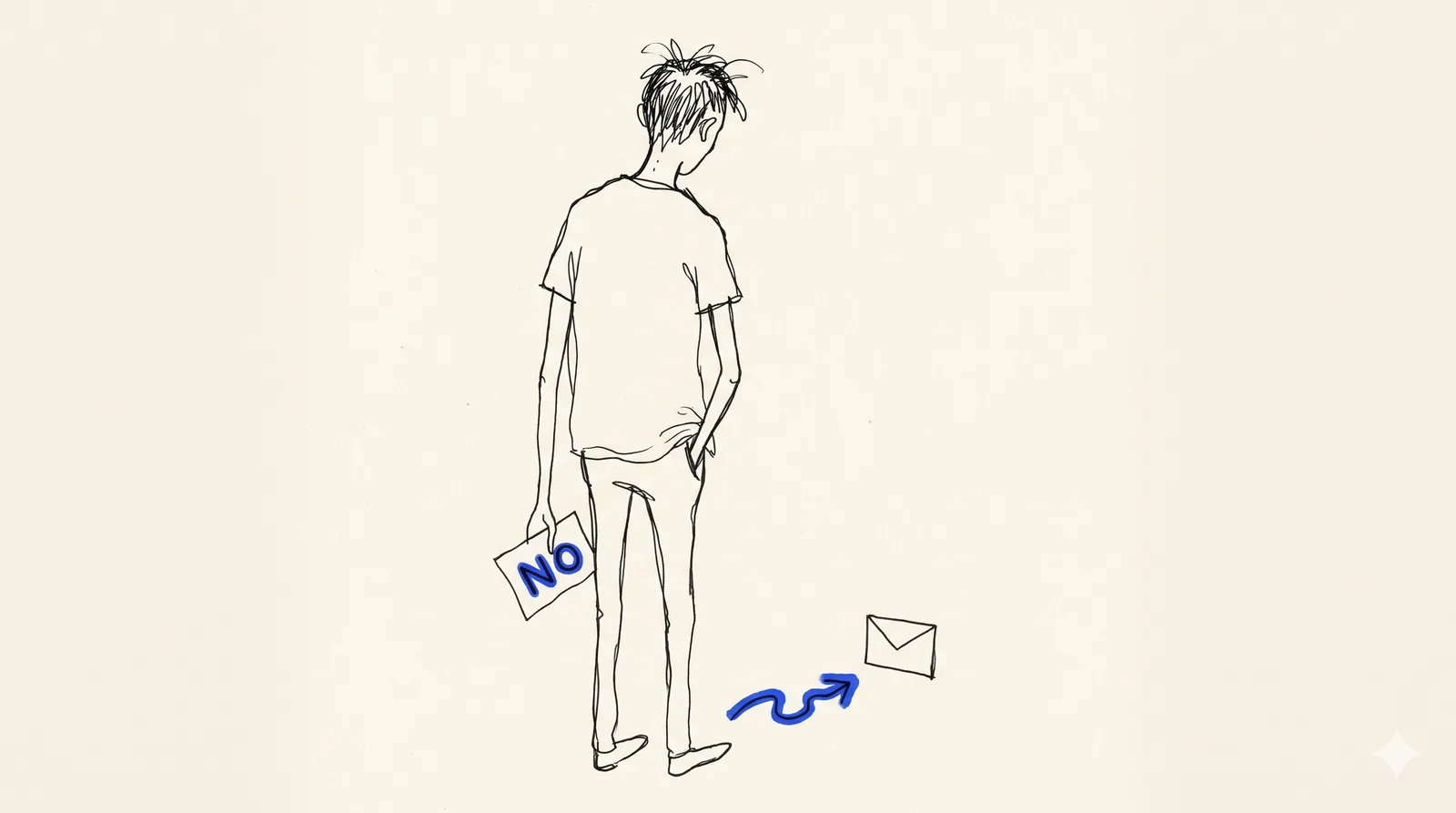
Festival rejection feels personal. It is not. Most festivals reject far more films than they accept, and the most oversubscribed festivals can receive thousands of submissions for a small number of programme slots. A rejection can mean the film was wrong for the section, wrong for the year, or crowded out by a programme shape the filmmaker could not see.
Rejection is the median outcome, not the exception. The question is what you do with it.
Why films get rejected: the reasons that have nothing to do with quality
- Runtime fit. A 28-minute film at a festival programming 22-minute slots gets cut. The film could be perfect, the slot is wrong.
- Theme overlap. A festival cannot programme three films about grief in the same strand. If yours arrives fourth, even if it is the strongest, it is the one that gets cut.
- Premiere status conflicts. A festival cannot programme a film as a "premiere" if it has already screened at another festival the programmer respects. This is the most common silent rejection reason.
- Sponsor sensitivities. A film about a topic that creates conflict with a major festival sponsor gets pulled, sometimes silently, sometimes after acceptance.
- Programming taste this year. Festivals have annual moods. A festival might commit to "loud and political" this year, and your quiet two-hander does not fit, even though it would have fit last year's mood.
- Volume. When a festival receives thousands of submissions for a few dozen slots, statistical noise alone rejects work that could have been programmed in a different year.
Why films get rejected: the reasons that are about the film
- The opening 90 seconds did not earn the rest of the screener
- The logline and synopsis sold a different film than the one in the screener
- The film is genuinely not strong enough yet (a real possibility worth considering)
- The film is mismatched to the festival's taste (a research problem, not a film problem)
- The audio mix or colour grade was unfinished and read as unprofessional
The first 48 hours
When the rejection email arrives, do three things in this order:
- Do not reply to the festival. Not to ask for feedback, not to push back, not to ask for a second look. Festivals do not change their minds in response to rejection emails. They do remember which filmmakers reply gracelessly.
- Check your screener analytics carefully. Did the screener receive views during the review window? Was there an obvious technical access problem? Do not overread the data: analytics rarely prove which programmer watched or why they stopped.
- Update your submission tracker. Mark the festival rejected, log the date, note any premiere status implications (does this open up a different festival?).
- Send any pending submissions before the late deadline. A rejection from one festival does not delay the others. Use the time you would have spent stewing on finishing the next batch.
When to ask for feedback (and when not to)
Most festivals do not give feedback. Programming teams receive too many submissions to write personalised notes. Asking creates extra work and reflects poorly on you.
Exceptions:
- Festivals that explicitly offer paid feedback (Cleveland International Film Festival is the best-known)
- Programmers you have a real relationship with from previous selections or in-person conversations
- Festivals where you placed in a previous round (advanced from first to second pass) and want to know what tipped it
In all other cases, no feedback is the feedback. Move on.
Patterns across multiple rejections
One rejection is noise. Five rejections from festivals you genuinely fit, combined with repeated low watch-through or access problems, is a pattern worth investigating.
If multiple festivals appear to stop very early, the opening may be the problem. If festivals watch fully but reject, the targeting may be off. If the screener never receives views during a review window, check for link, password, platform, or materials problems before blaming the film.
The re-strategy move
After three to five rejections, take a week off. Then re-evaluate:
- Are the festivals on your shortlist actually the right ones for this film?
- Should you re-cut the opening based on the watch data?
- Should you rewrite the synopsis to better match the film's actual tone?
- Are you targeting tier 1 festivals where you should be targeting tier 2 fit-festivals?
- Would a sales agent or producer's rep help with the next batch of submissions?
The mindset
Rejection is data. Not a verdict. Re-evaluate the festival fit, not the film. The film is what it is. The next strategic move is whether the festivals on your list are the right ones, and whether your materials are doing the job they need to do.
Frequently asked questions
Why was my film rejected from a film festival?
Many rejections have nothing to do with the quality of your film. A festival may reject it because the runtime did not fit their slots, because they already programmed similar themes, because of premiere status conflicts, because of sponsor sensitivities, or simply because of volume when thousands of submissions compete for a few dozen slots. Sometimes the reasons are about the film, such as a weak opening, a synopsis that sold a different film, or an unfinished sound mix or colour grade.
What should I do after a festival rejection?
In the first 48 hours, do not reply to the festival to ask for feedback or push back. Check your screener analytics for views and technical access problems without overreading the data, update your submission tracker with the rejection and any premiere status implications, and send any pending submissions before their late deadlines. A rejection from one festival does not delay the others.
Should I ask a festival for feedback after a rejection?
In most cases, no. Programming teams receive too many submissions to write personalised notes, and asking creates extra work that can reflect poorly on you. Exceptions include festivals that explicitly offer paid feedback, programmers you have a real relationship with, and festivals where you advanced to a later round and want to know what tipped the decision. Otherwise, no feedback is the feedback.
How many festival rejections are normal before I should re-strategise?
One rejection is noise. A pattern of several rejections from festivals you genuinely fit, especially combined with low watch-through or access problems, is worth investigating. After three to five rejections, take a week off, then re-evaluate whether your shortlist is right for the film, whether the opening or synopsis needs work, and whether you are targeting the right tier of festivals.
RelatedSee watch data per festival
Circkit keeps your rejections, selections, fees, and next-wave festivals in one tracker, so a rejection becomes a strategy update rather than a dead end.