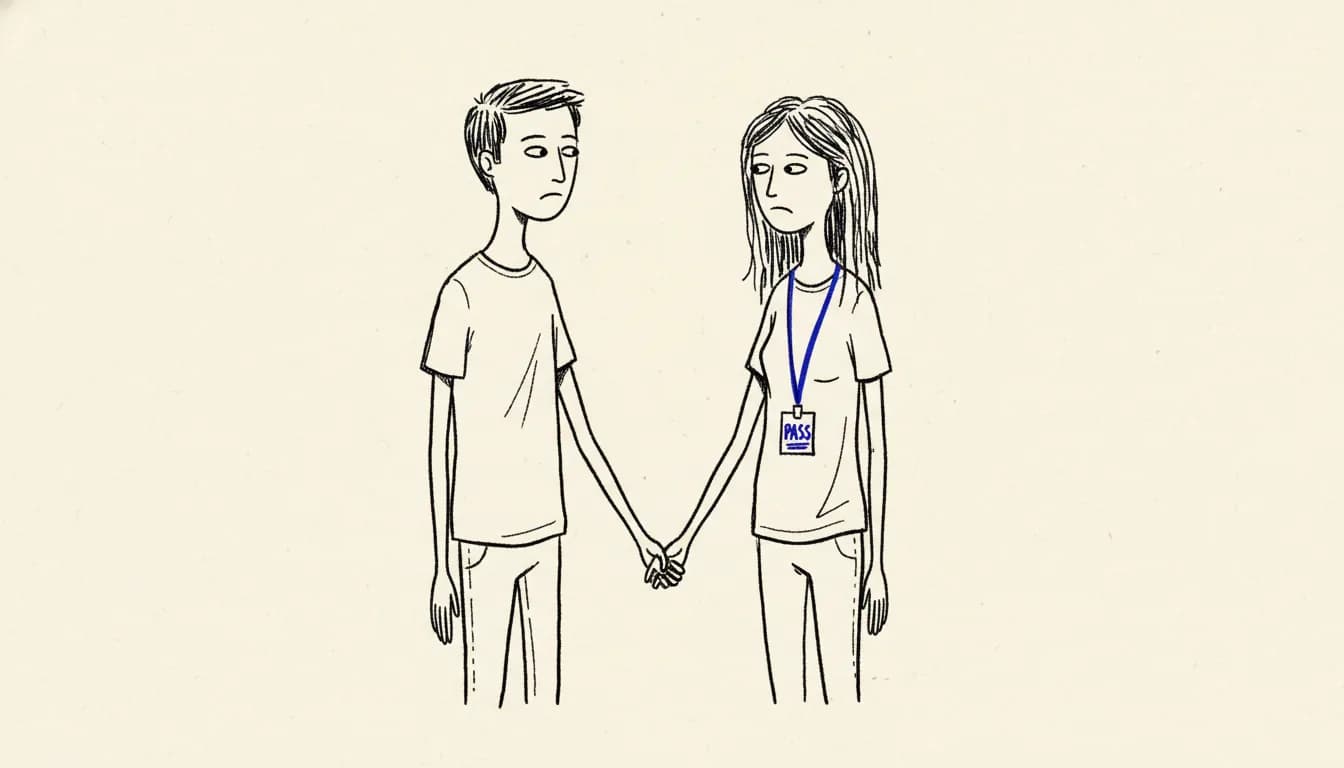
Most distribution deals do not start at the festival itself. They start two to three days later in the follow-up email, which is the part most filmmakers forget to send. The festival is the introduction. The follow-up is the conversion.
Plan the festival around the follow-up, not the other way around.
Where buyers actually are
- Industry lounges. Every major festival has one. Badge required, quieter than the parties, free coffee, real conversations.
- Panel post-mortems. The 10 minutes after a panel ends, while the panellists are still on stage, is where buyers approach speakers. You can introduce yourself in the same window.
- Festival markets. Cannes Marché, Berlin EFM, TIFF Industry, Hot Docs Forum, IDFA Forum. These run alongside the public festival and are where the actual sales happen.
- Your own screening, after the Q and A. The audience leaving the cinema includes people who want to meet you. Stay in the lobby for 30 minutes.
- Brunch and lunch venues near the festival hub. Sundance: the cafe at Park City Mountain Resort. Cannes: the bars on rue d'Antibes. TIFF: the Hotel X lobby.
Where buyers are not (despite what you might think)
- The biggest opening-night party
- Late-night DJ events
- The festival cinema queue (they have priority access)
- The hotel where they are not staying
Pre-festival research
Two to three weeks before the festival, build a target list:
- Look at the festival's industry programme page. The accredited sales agents and distributors are usually listed.
- Read recent Variety and Deadline coverage of the festival. The names of agents and distributors who closed deals last year will appear.
- Cross-reference with your film: which of those buyers have a track record with films like yours? A sales agent who closed two horror features in the last year is more useful for your horror feature than the agent who only does prestige drama.
Aim for a target list of 5 to 10 names. Do not try to meet 30.
The 30-second pitch
When you meet a buyer, you have roughly 30 seconds before their attention moves. The pitch is three lines:
- One line on the film. Logline, plus one sentence on tone.
- One line on why now. Genre fit, premiere status, timing.
- One line on the ask. "I would love to send you the screener if you have time this week."
Practice it until you can deliver it from memory, including the awkward pause where they say "uh huh, what genre?" Do not over-rehearse. The point is to sound like a director talking about a film, not a salesman closing.
The best icebreaker
A thoughtful question about a film they just watched. Sales agents and distributors are constantly being pitched at. They are rarely asked about their own opinions. "I saw you at the [Film] screening last night, what did you think?" is a question that turns the dynamic into a conversation, not a pitch.
The pitch comes later in the conversation. Or, ideally, they ask about your film, which is a much stronger opening.
What to avoid
- Cold-pitching at parties when the buyer is mid-drink
- Handing strangers a physical EPK or business card before they have asked
- Ambushing buyers in lifts, taxis, or bathrooms
- Asking for a specific deal value or asking what they paid for another film
- Spending more than 5 minutes on a first conversation
The follow-up email
Send within 48 hours of meeting. Three short paragraphs:
- Reference the conversation specifically (where you met, what you talked about, a small detail they will remember)
- Attach or link the EPK and the screener (with password)
- Name your ask explicitly: "I would value the chance to discuss representation when you have time. I am free for a call any time in the next two weeks."
The honest framing
Most conversations at festivals do not turn into deals. The ratio is probably 20 conversations to 1 follow-up call to 1 representation conversation to 0.5 deals. The conversations that do convert are the ones where you sent a follow-up email within 48 hours and the buyer remembered the screener watch.
The film does the work. The conversation just makes it likely that the buyer will watch the screener.
Frequently asked questions
Where do distributors and sales agents hang out at film festivals?
The most productive places are industry lounges, festival markets like the Cannes Marche, Berlin EFM, TIFF Industry, Hot Docs Forum and IDFA Forum, and the few minutes right after a panel ends while speakers are still on stage. The lobby after your own screening also draws people who want to meet you, so stay for about 30 minutes. Buyers are far less likely to be at the big opening-night party or late-night events.
How do you pitch your film to a buyer at a festival?
Keep it to a 30-second pitch built from three lines: one line on the film with a logline plus a note on tone, one line on why now covering genre fit and timing, and one line on the ask such as offering to send the screener. Practice it until you can deliver it from memory without sounding like a salesman. Often the stronger opening is a thoughtful question about a film they just watched, letting the conversation lead toward your film.
When should you follow up with a distributor after a festival?
Send a follow-up email within 48 hours of meeting. Use three short paragraphs: reference your conversation with a specific detail they will remember, attach or link your EPK and the screener with its password, and name your ask explicitly. Most deals start in the follow-up, not at the festival itself, so this step matters more than the introduction.
How do you research which buyers to target before a festival?
Two to three weeks ahead, build a target list of about 5 to 10 names. Check the festival's industry programme page where accredited sales agents and distributors are usually listed, read recent trade coverage to see who closed deals last year, and cross-reference against your film so you prioritise buyers with a track record in your genre. Do not try to meet 30 people.
RelatedArrive at the festival with a plan
Circkit maps your festival strategy, deadlines, and fees in one place so you target the right markets and walk in prepared.